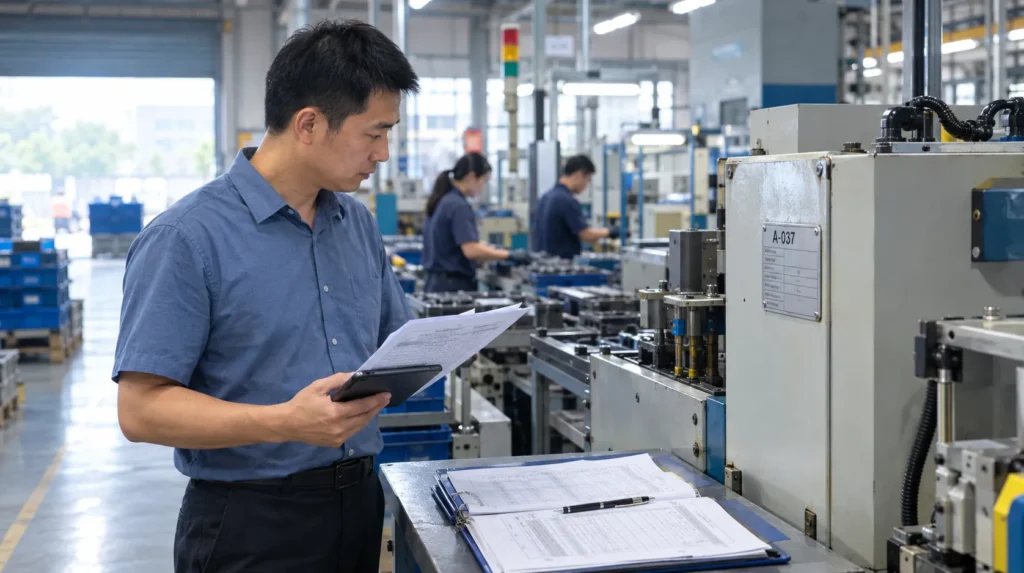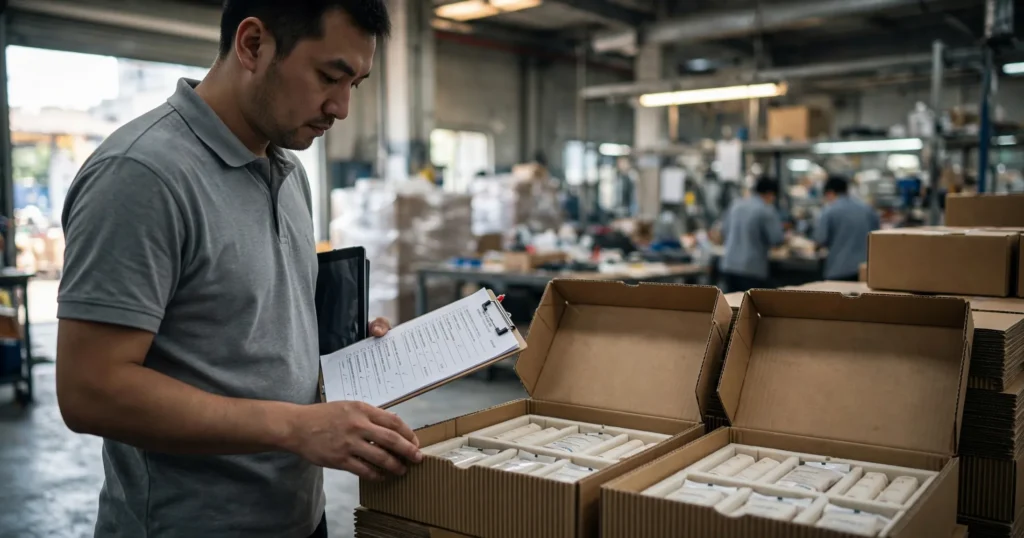
Chen Yao has sold industrial components abroad for eleven years. In the last six months he closed ¥4 million in new orders — his best half-year ever — while working fewer evenings than before. The difference was not a new market or a new product. It was an AI “digital employee.”
This case study walks through exactly what changed.
Where the time actually went before
Chen tracked his hours for two weeks and found the classic pattern: roughly 60% of his day went to translation, formatting quotations, and chasing follow-ups across time zones. Selling — the part only he could do — got the leftovers.
The setup
His digital employee handles three jobs. Real-time translation on calls, so he negotiates in his own words. Negotiation rehearsal, where the AI plays a tough Russian-speaking buyer and he practices responses before the real meeting. And automated follow-up sequences that answer routine questions and nudge silent prospects at their local business hours, around the clock.
The numbers
- Personal productivity up roughly 5× measured by quotations issued per week.
- Communication costs down 70% — fewer agency translations, fewer missed-time-zone delays.
- First-response time to inquiries: under one minute, at any hour.
- ¥4 million in closed orders in six months, two of them from buyers first contacted at 3 a.m. his time.
What to copy first
Start with follow-ups — they are the highest-volume, lowest-judgment task on your desk. Keep price authority and final terms human. The pattern that works is simple: the AI does the always-on communication; you do the trust.